

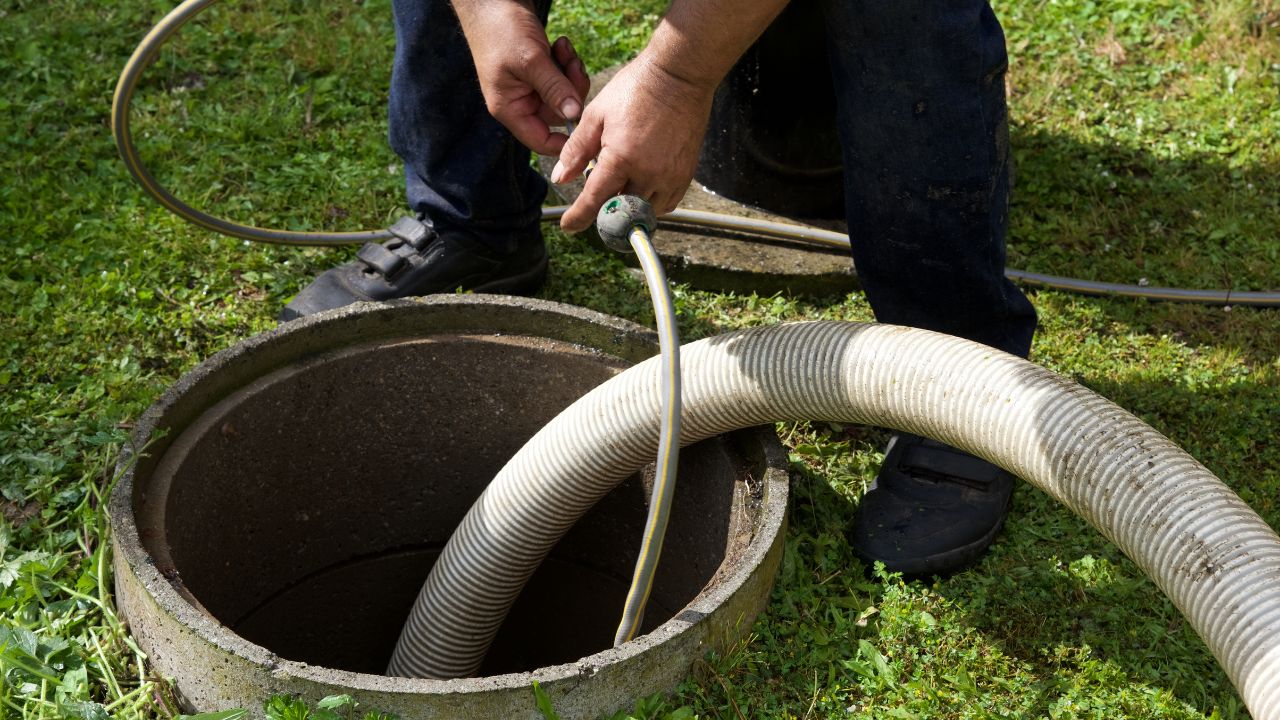
Septic inspection cost near Hamilton, OH, typically ranges from $250 to $900, depending on service level and system complexity. Property owners in Butler County face unique pricing factors tied to demographics, soil conditions, and regulatory requirements. Understanding these cost drivers helps homeowners budget appropriately and avoid emergency expenses. The 2026 pricing landscape reflects both national market trends and local service availability.
Here’s what we break down: the local factors that shape septic assessment and inspection pricing in Butler County, typical budget-to-premium cost tiers for 2026, how inspection fees compare to pumping and repair costs, and what to look for when choosing a qualified provider near Hamilton.
Key Takeaways
A septic inspection evaluates the condition and functionality of your wastewater treatment system through visual assessment and testing. Professional inspectors examine tank integrity, drainfield performance, and component functionality to identify potential failures. This preventative service protects homeowners from costly system breakdowns and environmental contamination. Regular septic inspections provide documentation required for property transactions and regulatory compliance.
A comprehensive septic inspection includes visual examination of the tank, drainfield assessment, and flow testing procedures. Inspectors check baffles, inlet and outlet pipes, liquid levels, and signs of structural damage. Dye testing may reveal leaks or improper drainage patterns in the system. Hamilton County Public Health requires specific documentation and testing protocols for mechanical and conventional systems.
Inspection services represent 12% of the U.S. septic market, while pumping commands 45% market share. Pumping physically removes accumulated sludge, whereas inspection assesses system condition without material removal. Only 32% of Pennsylvania homeowners report inspections every 1-5 years, compared to 77% pumping regularly. This gap suggests many property owners prioritize reactive maintenance over preventative assessment.
Regular inspections prevent system failures that significantly lower property values and create legal liabilities. Early detection saves homeowners from potential fines and public health risks associated with contamination. However, 29% of surveyed systems had never been inspected despite known risks. Market valuations for septic services vary across reports, creating uncertainty about the precise inspection industry scope.
Local demographics and property characteristics directly impact septic inspection fees in the Hamilton area. Butler County’s 69.9% owner-occupied housing rate exceeds Hamilton city’s 54.3%, creating higher rural service demand. Median household income differences—$81,590 county-wide versus $55,166 in Hamilton—influence pricing tolerance and service selection. Population density of 2,955.7 residents per square mile in Hamilton contrasts sharply with county averages.
Butler County’s lower density and higher homeownership rates support more septic systems than urban Hamilton. Rural properties often require longer travel times and specialized knowledge of local soil conditions. Income disparities between county and city residents affect willingness to pay for premium inspection services. These demographic factors explain why inspection fees in rural Butler County may differ from Hamilton city rates.
Emergency service premiums add $150-$250 to standard inspection fees for urgent property assessments. Riser installation costs $200-$400 but simplifies future access and reduces long-term inspection expenses. Aerobic Treatment Units require electricity and more frequent maintenance than conventional gravity systems. Advanced diagnostic technologies like video inspections command premium pricing for detailed system evaluation.
67% of homeowners cite knowing when to inspect or pump as their primary decision factor. Service cost influences 41% of consumers, while provider availability matters to 38% of property owners. System reliability concerns motivate 32% of homeowners, and service quality drives 28% of purchasing decisions. These priorities explain why understanding the importance of regular septic inspections affects consumer behavior and market pricing.
Budget-level inspection fees in the Hamilton area start at $250 for basic visual assessments. Mid-range inspections cost $350-$450 and typically include comprehensive testing required for real estate transactions. Premium services range from $ 550 to $ 900 for advanced diagnostics with detailed reporting and specialized equipment. A rural Butler County homeowner selling property would expect real estate-grade inspection fees of $350-$450.
Basic inspections at $250 cover visual assessment and basic functionality testing for standard systems. Mid-range services provide the thoroughness most buyers and lenders require during property transfers. Premium inspections include video camera work, extensive drainfield evaluation, and comprehensive documentation. Rural properties with challenging access or complex systems typically require mid-range or premium service levels.
| Service Tier | Price Range (2026) | What’s Included |
|---|---|---|
| Budget | $250 | Visual assessment and basic functionality testing for standard systems |
| Mid-Range | $350–$450 | Comprehensive testing that satisfies most real estate transaction and lender requirements |
| Premium | $550–$900 | Video camera work, extensive drainfield evaluation, and detailed reporting |
Budget pumping services cost $300, while mid-range pumping ranges from $400-$525 in Hamilton. Minor repairs start at $400-$1,200, substantially more than inspection fees but less than system failure. Conventional septic installation costs $8,000-$12,000, demonstrating the value of preventative inspection. Pennsylvania survey data shows 73% of inspection services cost under $500, confirming Hamilton’s competitive positioning.
| Service | Typical Cost | Notes |
|---|---|---|
| Septic Inspection | $250–$900 | Assesses system condition without removing material |
| Septic Pumping | $300–$525 | Removes accumulated sludge from the tank |
| Minor Septic Repair | $400–$1,200 | Addresses leaks, blockages, and component issues |
| New Septic Installation | $8,000–$12,000 | Full system replacement for failed or aging systems |
Emergency service premiums of $150-$250 apply when homeowners need urgent inspection appointments. Riser installation adds $200-$400 but provides permanent value through simplified future access. A typical Hamilton-area homeowner with a 1,000-gallon tank requires septic tank pumping every 3-5 years at $300-$425. Larger 1,500-gallon tanks or emergency backups cost $500-$650 plus applicable emergency premiums.
Conventional gravity systems represent the traditional approach, using natural gravity to distribute wastewater through drainfields. Aerobic Treatment Units utilize oxygen to break down waste more effectively in areas with poor soil. Mound systems pump wastewater to elevated sand mounds when soil depth or percolation rates prove inadequate. Pressure distribution systems ensure even wastewater dispersal throughout the drainfield for improved treatment efficiency.
Conventional gravity systems require straightforward inspection procedures focused on tank condition and drainfield saturation. Aerobic Treatment Units demand electrical system assessment, aeration equipment evaluation, and more frequent maintenance schedules. Mound systems need specialized knowledge of pumping mechanisms and sand filtration bed conditions. Pressure distribution systems require testing of pump functionality and even distribution patterns across multiple zones.
Hydro-jetting employs high-pressure water jets to clear blockages and clean pipes during inspection procedures. Effluent filters installed in septic tanks prevent solids from entering drainfields and require regular cleaning. Riser installation adds access pipes from tank lids to ground level, simplifying inspections. Video inspection cameras provide detailed interior views of pipes and tanks without extensive excavation.
Hamilton County Public Health conducts yearly inspections for mechanical systems and five-year reviews for non-mechanical systems. These regulatory requirements establish minimum inspection standards that certified professionals must follow during assessments. Only 6.4% of Ohio’s land has soil appropriate for conventional leach fields, requiring alternative systems. Compliance with local health codes prevents fines and ensures proper environmental protection throughout Butler County.
Recommended inspection frequencies vary from every 1-3 years for conventional systems to annually for advanced units. Septic tank pumping should occur every 2-5 years, depending on household size and tank capacity. Pennsylvania data show 77% of homeowners pump regularly, but only 32% inspect consistently. This pattern reveals a gap between recommended practices and actual homeowner behavior across septic-dependent regions.
Conventional systems benefit from inspection every 1-3 years, while advanced systems require annual professional assessment. Regular pumping every 2-5 years complements inspection schedules and prevents system overload. Survey data indicates 29% of systems have never been inspected despite manufacturer recommendations. Homeowners should understand how often a septic system should be pumped relative to inspection needs.
Slow drains throughout the home signal potential septic system blockages requiring immediate professional evaluation. Unpleasant odors near the tank or drainfield indicate system malfunction or approaching capacity limits. Wet spots or unusually lush grass in the yard suggest drainfield failure and wastewater surfacing. Sewage backups represent critical failures demanding emergency inspection and potential repair to prevent health hazards.
Routine maintenance costs $250-$300 every three to four years compared to $3,000-$7,000 for system repair. A typical Hamilton homeowner with a 1,000-gallon tank spends $300-$425 for pumping every 3-5 years. Failing septic systems significantly lower property values and create liability risks for homeowners. Understanding the cost of delaying septic maintenance helps property owners make informed investment decisions.
Professional qualifications and certifications ensure inspectors understand local regulations and proper assessment techniques. Licensed service providers possess the expertise to identify subtle problems before they become costly failures. Butler County homeowners should verify inspector credentials with Hamilton County Public Health before scheduling services. Certified professionals deliver accurate assessments that satisfy lender requirements and regulatory compliance standards.
Use certified professionals who maintain active licenses and demonstrate experience with local septic system types. Qualified inspectors understand Hamilton County regulatory requirements and Ohio environmental standards for wastewater treatment. Industry certifications indicate ongoing education and commitment to professional standards in septic system assessment. Licensed technicians carry appropriate insurance and bonding to protect homeowners during inspection procedures.
Service provider availability matters to 38% of consumers seeking timely inspection appointments during property transactions. Service quality drives 28% of homeowner decisions when selecting inspection professionals for their properties. Scheduling convenience influences 8% of consumers balancing work schedules with maintenance needs. These preferences shape competitive positioning and service delivery models throughout the Hamilton, OH, market.
Professional assessment by certified septic experts ensures accurate diagnosis of system condition and remaining lifespan. Cost-benefit analysis helps homeowners weigh repair expenses against replacement costs for aging systems. Request detailed reports documenting all findings, recommendations, and compliance with local health department standards. Ask about experience with specific system types and familiarity with Butler County soil conditions.
The inspection market is forecasted to reach $11.3 billion by 2032, driven by regulatory expansion. The U.S. septic tank market reached $1.06 billion in 2024 as baseline infrastructure demand continues. Pumping services will grow from $3.58 billion in 2025 to $5.4 billion by 2035. Maintenance and repair segments expect growth from $0.81 billion in 2026 to $1.76 billion by 2035.
National inspection market growth reflects increasing awareness of preventative maintenance benefits and environmental protection requirements. Maintenance and repair services show a 10.5% compound annual growth rate, the highest among septic categories. Local Hamilton OH, demand follows national trends as more homeowners recognize inspection value. Butler County’s rural character and high homeownership rates support continued inspection service expansion.
Broader wastewater treatment solutions markets will grow from $7.25 billion in 2026 to $12.35 billion by 2033. This 7.9% compound annual growth rate reflects technological innovation and regulatory pressure across the industry. Global septic tank markets reached $5.27 billion in 2024, indicating worldwide infrastructure investment. Advanced diagnostic equipment and digital reporting systems may increase premium service pricing while improving assessment accuracy.
20% of U.S. residents lack public sewer connections, creating persistent demand for septic inspection services. 21 million American households rely on septic systems for wastewater treatment across rural regions. Over 25% of new home construction employs septic systems, expanding the potential service market. Despite these numbers, only 32% of homeowners inspect regularly, and 29% never inspect their systems.
Septic inspection fees in the Hamilton area balance service quality against consumer budget constraints and competitive pressures. Butler County’s demographic profile supports premium service demand in rural areas, while urban Hamilton emphasizes value-oriented options. Property owners should prioritize certified inspectors familiar with local soil conditions and regulatory requirements. Following septic system maintenance tips between inspections extends system life and prevents emergency failures.
The 2026 pricing landscape reflects national growth trends adapted to Southwest Ohio’s specific market conditions. Budget-conscious homeowners can secure reliable basic inspections starting at $250 for standard systems. Mid-range services at $350-$450 satisfy most real estate transaction requirements with comprehensive reporting. Premium services provide advanced diagnostics for complex systems or properties with known performance issues.
Market projections suggest continued inspection demand growth as awareness increases and regulations tighten across Ohio. Understanding why septic systems fail even when you maintain them helps property owners make informed decisions. Homeowners investing in regular inspections protect property values and avoid catastrophic system failures. Black Water Septic Pros brings nearly 30 years of Southwest Ohio expertise to every inspection.
A septic inspection costs far less than an emergency repair or a full system replacement. If it’s been more than a year since your last inspection, or you’re preparing for a home sale in the Hamilton, OH, area, now is a good time to have your system checked. Our licensed technicians bring nearly 30 years of Southwest Ohio experience to every visit, with clear reporting and straightforward pricing.
Request an appointment with Black Water Septic Pros today, or call (513) 623-1792 to get a quote for your property. We’re available seven days a week, Monday through Sunday, 7:00 AM to 5:00 PM, with emergency service when you need it most.
A. Septic inspection cost near Hamilton, OH, generally falls between $250 and $900, depending on the level of service. Basic visual assessments start at $250, while mid-range inspections that satisfy most real estate and lender requirements run $350 to $450. Premium inspections with video camera work and detailed reporting range from $550 to $900. Property owners with rural or hard-to-access systems in Butler County should expect pricing toward the mid-range or premium tiers.
A. Most residential septic inspections take one to two hours, depending on tank access, system type, and whether dye testing or drainfield evaluation is needed. Systems with risers or easy tank access generally move faster than those requiring excavation to reach the lid. Aerobic Treatment Units and mound systems can add time because of additional electrical and pump checks. Scheduling ahead helps ensure a technician has enough time to complete a thorough assessment.
A. Most real estate transactions involving a septic system require a mid-range or comprehensive inspection to satisfy buyer, lender, and Hamilton County Public Health documentation standards. A real estate-grade inspection typically costs $350 to $450 and confirms the system is functioning properly before closing. Skipping this step risks delays or renegotiation if problems surface later in the process. Scheduling the inspection early in the transaction timeline helps avoid last-minute complications.
A. A failed inspection means the inspector identified a problem, such as a cracked baffle, a saturated drainfield, or a blocked line, that needs attention before the system is considered compliant. Depending on severity, the fix may range from a minor septic repair costing $400 to $1,200 to a more involved project. Licensed technicians provide a detailed report outlining exactly what needs to be corrected and why. Addressing issues promptly typically costs far less than waiting for a full system failure.
A. Conventional gravity systems generally benefit from inspection every one to three years, while Aerobic Treatment Units and other advanced systems need annual professional assessment. This differs from pumping, which most households need every two to five years, depending on tank size and usage. Homeowners can review how often a septic system should be pumped relative to inspection needs to build a complete maintenance schedule. Hamilton County Public Health also sets minimum inspection frequencies for mechanical systems that homeowners are required to follow.