

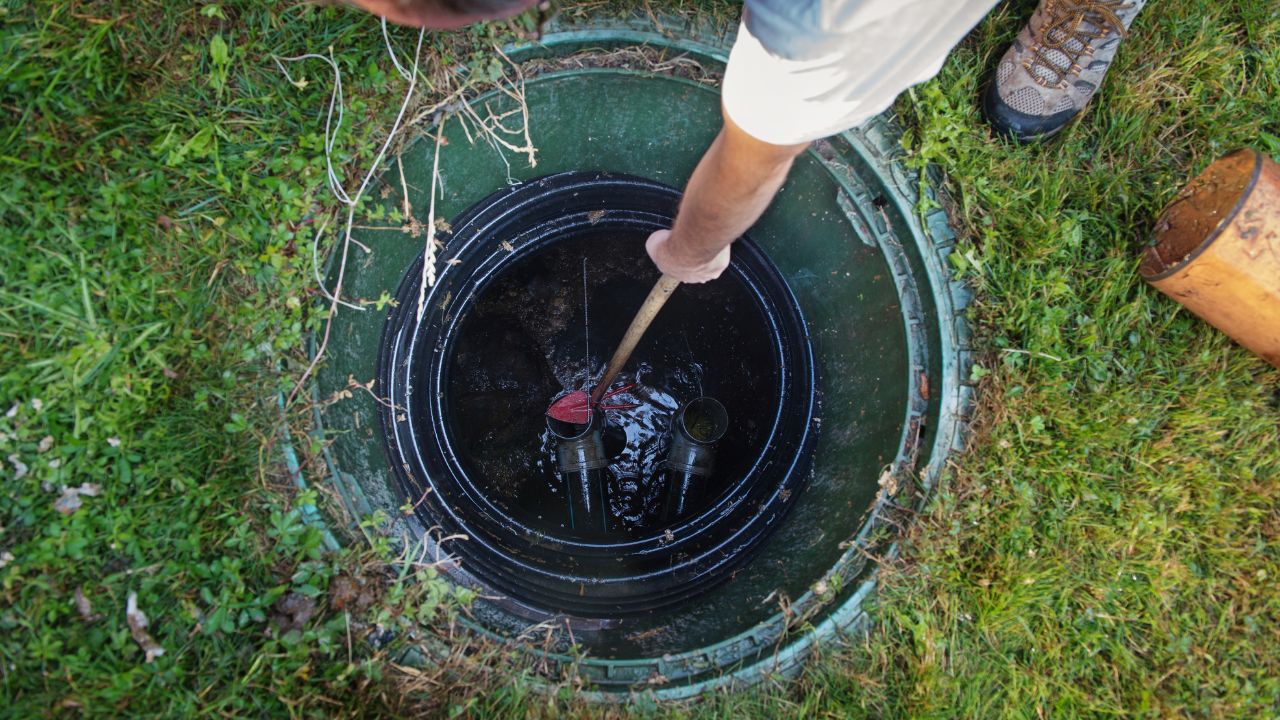
Septic tank inspection in Hamilton requires licensed professionals registered with the City of Hamilton Health Department. Understanding inspection requirements helps homeowners and buyers select qualified local inspectors who deliver thorough assessments. Proper inspector selection protects property investments and ensures compliance with Ohio environmental standards.
Key Takeaways
A septic tank inspection evaluates system health to identify potential failures before they cause property damage. Inspections prevent backups, groundwater contamination, and expensive emergency repairs through early problem detection. Lenders typically require inspections before property transfers to confirm system functionality and code compliance.
Standard inspections account for 45% of the inspection market and provide a baseline system evaluation. A comprehensive real-estate septic inspection evaluates the entire system, including tank, piping, drainfield, pumps, and alarms. Visual inspection includes examining the tank interior, drainfield surface conditions, and all accessible components. Dye testing confirms proper flow patterns and identifies potential leaks.
Standard procedures require opening the tank for direct visual assessment of scum and sludge layers. Inspectors measure accumulation levels to determine if pumping is necessary before system failure occurs. This evaluation identifies obvious defects like cracks, separation, or compromised baffles.
Advanced diagnostic inspections represent 20% of the inspection market and employ specialized detection tools. Sewer cameras provide internal pipe inspection to identify root intrusion, blockages, or structural deterioration. Hydraulic load tests assess drainfield performance by introducing measured water volumes and monitoring absorption rates.
Advanced methods may involve locating buried components using electronic detection equipment. Soil evaluations around drainfield areas determine if effluent is properly percolating or surfacing. These comprehensive assessments are critical for older systems, properties with known drainage issues, or buyers requiring maximum assurance.
Systems properly maintained through regular pumping are more likely to pass inspection and achieve longer operational lifespans. Maintenance logistics, including pumping services, account for 25% of inspection market activity and costs. Tank pumping shortly before or after inspection might affect the accurate assessment of sludge accumulation patterns.
Unmaintained systems often fail inspections due to excessive solids that compromise drainfield function and cause backups. Regular maintenance demonstrates responsible ownership and typically results in fewer repair recommendations. Establishing a maintenance schedule prevents emergency failures and extends the time between required inspections.
The City of Hamilton Health Department holds exclusive regulatory authority for septic systems within city limits. Understanding local jurisdiction prevents hiring improperly licensed contractors who cannot legally work in Hamilton. Compliance with local regulations protects homeowners from invalid inspections that lenders or buyers may reject.
City of Hamilton Health Department has authority for septic system regulation, not the Butler County General Health District. Hamilton residents must work exclusively with inspectors registered through the city’s health department for legal compliance. The City of Hamilton Health Department general line at 513-785-7080 provides registration verification and answers regulatory questions.
Local oversight establishes specific permit requirements, installation standards, and inspection protocols for Hamilton properties. Health department staff review inspection reports submitted for real estate transactions to confirm regulatory compliance. Direct contact with the department confirms the current inspector registration status before scheduling any evaluation.
Ohio Revised Code Chapter 3718 requires septic system provider registration as the foundational legal requirement. Ohio Administrative Code 3701-29-03 requires registration with every local health district where providers perform work. An inspector must be registered with the City of Hamilton Health Department to legally work within city limits.
Verify inspector registration status directly with the City of Hamilton Health Department before signing any service agreement. Registration does not expire as long as providers maintain continuous compliance with state and local requirements. Contractors working without proper registration face penalties, and property owners risk invalid inspection reports.
Hamilton operates its own health department with independent authority separate from the Butler County General Health District. State law establishes minimum standards, but local health departments may impose additional or more stringent requirements. County registration alone does not satisfy Hamilton’s requirement for city-specific registration.
Some Ohio counties allow county-wide registration for all unincorporated areas and smaller municipalities without independent health departments. Hamilton’s independent status requires separate registration regardless of what other jurisdictions an inspector serves. Local regulations may specify different inspection protocols, reporting formats, or approval processes from those used in surrounding counties.
Professional qualifications beyond basic registration indicate higher expertise and commitment to industry standards. Certifications from recognized organizations demonstrate ongoing education and advanced technical knowledge. Experience with local soil conditions, common system types, and regional regulations improves inspection accuracy significantly.
State registration under Ohio Revised Code Chapter 3718 provides the mandatory baseline for all septic work. This registration applies statewide but must be supplemented with local health district registration in each jurisdiction. Hamilton requires both state and local registration for any inspector performing evaluations within city boundaries.
The state registration system tracks disciplinary actions and ensures minimum insurance coverage requirements are maintained. State oversight provides consumer recourse when inspectors fail to meet professional standards or engage in fraudulent practices.
National Onsite Wastewater Recycling Association offers industry-recognized certifications for septic professionals demonstrating advanced knowledge. Pennsylvania Septage Management Association offers certifications that indicate familiarity with inspection standards and best practices. These voluntary credentials exceed minimum legal requirements and show commitment to professional development.
Professional certifications require passing examinations covering system design, operation, troubleshooting, and regulatory compliance topics. Continuing education requirements maintain certification status and ensure inspectors remain updated on industry advances. While not legally required in Ohio, these certifications provide valuable differentiation when selecting among registered inspectors.
Local experience with Hamilton soil conditions and common system types significantly improves inspection quality and accuracy. Check for positive reviews from Hamilton-area customers and ask for references to verify local expertise. Inspectors familiar with regional water tables, soil percolation rates, and seasonal challenges identify problems more quickly.
Confirm the inspector carries appropriate liability insurance to protect homeowners from potential errors or oversights. Long-term local presence indicates established relationships with health department staff and an understanding of jurisdictional preferences. Experienced local inspectors recognize regional system types and know which components typically fail in area conditions.
System type directly affects inspection complexity, duration, and the specialized knowledge inspectors need for accurate evaluation. Hamilton properties contain conventional gravity systems, chamber installations, and increasingly complex mechanical treatment units requiring different assessment approaches. System design influences both initial installation costs and ongoing maintenance requirements.
Conventional systems consist of a septic tank and a gravel or stone drainfield providing gravity-based wastewater treatment. Chamber systems serve as an alternative to gravel drainfields using plastic units that create soil treatment areas. Both system types are common in Hamilton, where adequate soil depth and percolation rates support gravity drainage.
Standard inspection protocols apply to both conventional and chamber designs with a focus on tank integrity. Drainfield assessment examines surface conditions for ponding, odors, or unusually lush vegetation, indicating effluent surfacing. Chamber systems require inspection of individual units for settling, cracking, or soil intrusion that reduces treatment capacity.
Aerobic Treatment Units inject oxygen to enhance bacterial activity and achieve higher treatment levels on smaller lots. Mound systems involve pump chambers and constructed sand mounds used where shallow soil, high groundwater, or bedrock exists. ATUs require regular, often annual, maintenance and inspections due to mechanical components like air pumps and electrical systems.
ATUs suit smaller lots or challenging soil conditions but require significantly more maintenance than conventional systems. Inspection of aerobic units includes verifying proper air pump function, alarm system operation, and adequate treatment performance. Mound system evaluation examines pump controls, distribution piping within the mound, and signs of effluent breakthrough.
Advanced systems with mechanical components require substantially more inspection time than simple gravity-fed conventional installations. Sand filter systems provide high treatment levels but are more expensive and complex to inspect thoroughly. Multiple tanks generally require more time than single-tank systems due to additional access points. Complex system inspections could extend to three to five hours or more.
Advanced systems require more detailed evaluation than conventional systems because mechanical failures cause immediate treatment problems. Electrical components, control panels, pumps, and alarms all need functional testing during comprehensive inspections. Inspectors must verify proper programming, float switch operation, and backup alarm systems on advanced treatment units.
The table below summarizes the septic system types found in Hamilton and what each inspection focuses on:
| System Type | Typical Use | Inspection Focus |
|---|---|---|
| Conventional (gravity) | Standard lots with adequate soil depth | Tank integrity, drainfield surface conditions |
| Chamber | Alternative to gravel drainfields | Individual chamber settling, cracking, soil intrusion |
| Aerobic Treatment Unit (ATU) | Smaller lots or tighter soil conditions | Air pump function, alarms, treatment performance |
| Mound | Shallow soil, high groundwater, or bedrock | Pump controls, distribution piping, effluent breakthrough |
Inspection methodology varies based on system type, property accessibility, and the thoroughness level required. Professional inspectors follow systematic protocols beginning with document review and ending with comprehensive written reports. Equipment selection and inspection techniques separate thorough professional evaluations from inadequate superficial assessments.
Inquire about the inspector’s use of specialized equipment, including cameras, moisture meters, and electronic locating devices for thorough evaluations. Modern sewer cameras allow internal pipe inspection to identify blockages, root intrusion, or structural damage. Tank-pumping trucks with vacuum systems enable complete solids removal for accurate interior assessment. Dye testing equipment confirms proper system flow and identifies leaks.
Digital reporting tools, including tablets and cameras, document findings with photographs and detailed written observations. Soil probes and augers test drainfield soil conditions to assess treatment capacity and identify saturation or compaction. Electronic locators find buried tanks, distribution boxes, and drainfield boundaries when surface features provide inadequate guidance.
Buried septic tank lids requiring excavation add significant time and cost to otherwise straightforward standard inspections. Difficult access to drainfield areas or system components can prolong inspection when vegetation, structures, or terrain obstruct evaluation. Properties with well-landscaped yards may need careful excavation to avoid damaging plants, hardscaping, or underground utilities.
Tank locations under driveways, patios, or buildings substantially complicate inspection access and may require specialized equipment. Steep slopes, dense vegetation, or saturated soil conditions affect the inspector’s ability to thoroughly evaluate drainfield performance. Property owners should identify tank and drainfield locations before inspection to minimize time spent locating buried components.
Typical whole-home inspections take two to four hours, but septic-only evaluations vary from one to five hours. Standard septic inspection for a conventional system might take one to two hours on easily accessible properties. Weather and soil conditions can impact inspection time when rain saturates soil or freezing temperatures prevent proper evaluation.
Properties requiring hydraulic load testing add substantial time for water introduction and percolation monitoring. Tank pumping during inspection extends total service time but provides a clearer view of interior condition. Advanced diagnostic work, including camera inspection of distribution pipes, can add one to two hours to a standard evaluation.
Inspection pricing varies significantly based on service scope, system complexity, and additional testing required. Standard visual assessments cost substantially less than comprehensive evaluations, including camera inspection and hydraulic testing. Geographic factors, including travel distance, local market competition, and regional cost of living, influence pricing.
Standard septic inspection price range spans $250 to $575 from budget to premium service levels. The advanced diagnostic inspection price range extends from $500 to $1,250, depending on the equipment used and the testing thoroughness. Maintenance logistics, including pumping, range from $325 to $800 based on tank size and access difficulty. Hydraulic load tests add $500 to $1,000 to the inspection cost when drainfield performance verification becomes necessary.
Basic visual inspections occupy the lower price ranges while comprehensive real estate transaction evaluations command higher fees. Properties with multiple tanks, advanced treatment systems, or mechanical components typically fall into premium pricing categories. Inspection complexity increases costs when buried components require locating, difficult access demands excavation, or specialized testing becomes necessary.
Average price increase of $64.40 per mile for travel costs affects properties in outlying areas or requiring distant specialists. Tank pumping fees depend on tank size, access difficulty, and whether solids disposal fees apply. Combined inspection and pumping services sometimes offer modest savings compared to scheduling these services separately.
Properties requiring excavation to access buried tank lids may incur additional charges of $200 to $500. Travel fees apply when properties lie beyond standard service areas. Pumping costs increase substantially when tanks exceed standard residential sizes or contain industrial waste requiring special handling.
The reporting services price range spans $50 to $375, from basic verbal summaries to comprehensive digital documentation packages. Reporting services represent 10% of the inspection market share as buyers increasingly demand detailed written documentation. Digital reports, including photographs, diagrams, and maintenance recommendations, provide superior value for real estate transactions.
Comprehensive reports satisfy lender requirements and provide buyers with a clear understanding of system condition and anticipated maintenance needs. Digital delivery in PDF or HTML format enables easy sharing with real estate agents, lenders, and other transaction parties. Detailed reporting adds value by creating permanent records documenting system condition at specific points in property ownership.
Here is a quick reference for typical Hamilton-area septic inspection and related service costs:
| Service | Typical Price Range |
|---|---|
| Standard visual inspection | $250 – $575 |
| Advanced diagnostic inspection (camera, hydraulic testing) | $500 – $1,250 |
| Pumping / maintenance service | $325 – $800 |
| Hydraulic load test (added to inspection) | $500 – $1,000 |
| Digital reporting package | $50 – $375 |
| Excavation for a buried tank lid (added cost) | $200 – $500 |
| Travel fee for outlying properties | About $64.40 per mile |
Report validity depends on multiple factors, including lender requirements, local regulations, and material changes in system condition. No single statewide Ohio rule dictates a universal expiration date for septic inspection reports. Local health districts may have their own specific requirements for report recency when processing property transfer permits.
Real estate contract terms can specify an acceptable age of the inspection report based on negotiation between buyers and sellers. Check with the relevant local authority for report recency requirements specific to Hamilton before assuming older reports remain acceptable. Lender underwriting guidelines often require inspections completed within 30, 60, or 90 days of closing to verify current condition.
FHA and VA loan programs may impose specific inspection timeframe requirements more stringent than conventional mortgage guidelines. Cash buyers have more flexibility regarding report age but may still prefer recent inspections. Local health department approval of older reports depends on whether regulations specify maximum ages or defer to lender requirements.
Occupancy changes can stress the system when household size increases significantly after the previous inspection’s completion. System alterations or repairs since the last inspection affect validity by changing conditions documented in the original evaluation reports. Flooding can impact system performance by saturating drainfields, overwhelming tank capacity, or introducing debris.
Surfacing effluent renders previous reports potentially invalid because it signals drainfield failure or system overload. Seasonal variations in groundwater levels may reveal problems during wet periods not apparent during dry season inspections. Property improvements, such as adding bathrooms, bedrooms, or water-using appliances, alter system loading beyond the original design capacity.
An inspection report is typically recommended within 30 to 90 days of a real estate transaction to ensure a current condition assessment. Older reports may remain technically acceptable if no changed conditions exist and no regulatory or lender constraints apply. Properties with documented regular maintenance and no performance issues may justify accepting reports up to one year old.
Sellers benefit from obtaining inspections early in the listing period to address identified problems before buyer negotiations begin. Buyers should request new inspections when seller-provided reports exceed 90 days or when changed conditions raise system concerns. Strategic timing balances cost considerations against the value of current condition information.
Selecting qualified inspectors requires verifying local registration, understanding system complexity, and recognizing what thorough evaluation includes. Hamilton property owners must work with inspectors registered through City of Hamilton Health Department to ensure legal compliance. Professional certifications beyond minimum registration indicate higher expertise and commitment to quality septic system evaluation.
Property owners should follow seasonal maintenance checklists to keep systems functioning properly between inspections. Understanding the cost of delaying maintenance helps homeowners prioritize regular inspections and preventive care over emergency repairs. Following proven tips to extend system life reduces long-term ownership costs and minimizes unexpected failures. Black Water Septic Pros brings nearly 30 years of local experience serving Southwest Ohio with licensed technicians and comprehensive inspection services.
Professional inspection protects property investments and ensures safe wastewater treatment for Hamilton households. Qualified local inspectors provide the expertise needed to identify problems early and maintain system reliability.
Choosing a properly registered, experienced inspector protects your property and keeps a real estate transaction on schedule. Our licensed team serves Hamilton and the surrounding Southwest Ohio communities with standard and advanced diagnostic inspections, backed by nearly 30 years of local experience.
Request an appointment with Black Water Septic Pros to get a clear, no-pressure quote for your inspection. Call (513) 623-1792 or request an appointment online, and our team will confirm your Hamilton-area appointment time and answer any questions before we arrive.
A. Standard visual inspections in Hamilton typically range from $250 to $575, while advanced diagnostic inspections that include camera work or hydraulic load testing run $500 to $1,250. Pricing depends on system complexity, site accessibility, and whether the inspector needs to locate or excavate a buried tank lid. Properties outside the standard service area may also carry a travel fee. Black Water Septic Pros provides a clear quote before scheduling, so property owners know the cost in advance.
A. Inspectors must hold state registration under Ohio Revised Code Chapter 3718, but Hamilton also requires separate registration with the City of Hamilton Health Department. County registration alone does not satisfy this local requirement, since Hamilton operates its own independent health department. Confirm registration status directly with the health department before hiring anyone to inspect a property inside city limits. This two-tier requirement protects homeowners from hiring contractors who cannot legally perform the work.
A. No single Ohio law sets a universal expiration date for inspection reports, so validity depends on lender guidelines, local health department rules, and whether system conditions have changed. Lenders often require inspections completed within 30, 60, or 90 days of closing, while FHA and VA loans may apply stricter timeframes. Reports can lose validity sooner if flooding, surfacing effluent, or added water fixtures change the system’s condition. Most sellers benefit from ordering a fresh inspection early in the listing process to avoid last-minute delays.
A. A standard inspection covers a visual review of the tank, drainfield, piping, pumps, and alarms, along with dye testing to confirm flow patterns. An advanced diagnostic inspection adds specialized tools such as sewer cameras, hydraulic load testing, and soil evaluations to assess conditions a visual review cannot detect. Advanced inspections are generally recommended for older systems, properties with a history of drainage problems, or buyers who want maximum assurance before closing. The added detail comes with a higher price, typically $500 to $1,250 versus $250 to $575 for a standard visual inspection.
A. Most residential systems benefit from a full inspection every one to three years, though systems with mechanical components, such as aerobic treatment units, often need annual checks because of their pumps and electrical parts. Regular pumping between inspections helps prevent the excessive solids buildup that leads to failed inspections and backups. Real estate transactions typically call for an inspection regardless of the last service date, since lenders and buyers want current documentation. Property owners who follow a consistent maintenance schedule tend to face fewer repair recommendations at inspection time.