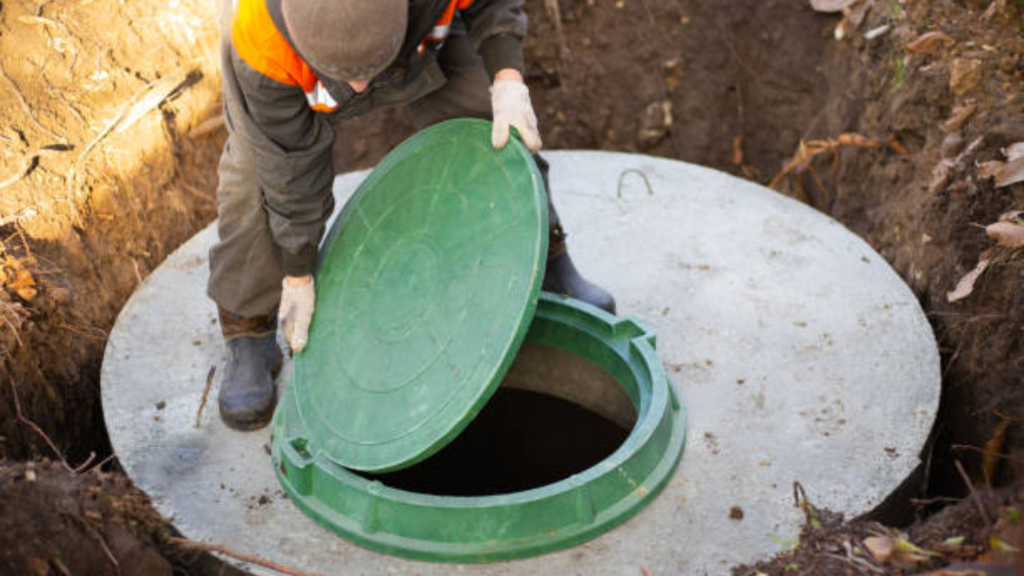
Top 7 Tips to Keep Your Septic System Running Smoothly Year-Round
June 5, 2025
Table of Contents
Septic systems play a crucial role in managing wastewater for millions of homeowners in the United States. Given their importance, keeping your septic system in optimal condition is essential to avoid unexpected failures and costly repairs. This article guides you through the top tips for maintaining your septic system effectively, all year round.
Septic System Basics
The proper functioning of a septic system depends on regular maintenance and a good understanding of its components. Typically, a septic system consists of a septic tank and a drain field or soil absorption area. The waste flows from your home into the septic tank, where solids settle at the bottom, and liquids pass onto the drain field.
Tip 1: Regular Pumping
Pumping your septic tank is a fundamental maintenance task that should be performed every three to five years, depending on the size of the tank and household usage. According to the United States Environmental Protection Agency (EPA), regular pumping prevents solids from overflowing into the drain field, which can cause system failures. Indeed, the Massachusetts Department of Environmental Protection reveals that 85% of septic system failures occur due to a lack of proper maintenance, including regular pumping.
Most experts recommend a septic tank to be pumped every 3-5 years.
Regular pumping prevents the overflow of solids which is a common cause of system failures.
Tip 2: Water Conservation
Excessive water use can overload your septic system, leading to ineffective waste processing. Implementing water-saving practices like installing low-flow fixtures and monitoring your water usage can help maintain a balanced system. The EPA estimates that the average American family uses over 300 gallons of water per day, around 70% of which occurs indoors. By adopting water-saving practices, homes can reduce their indoor water use by 20%.
Tip 3: Proper Waste Disposal
Only human waste and toilet paper should be flushed into the septic system. Disposing of items such as cooking oils, diapers, chemicals, and medications in the system can cause blockages and damage, resulting in costly repairs. A survey by the National Association of Wastewater Technicians found that improper waste disposal resulted in 47% of septic system maintenance costs.
Tip 4: Maintain the Drain Field
A properly functioning drain field is essential for the long-term success of your septic system. Avoid parking vehicles or planting deep-rooted trees over the drain field, as this can compact the soil and disrupt the pipes below. The EPA suggests avoiding the below activities over the drain field:
Activities
Reasons
Parking vehicles
Can compact the soil
Planting deep-rooted trees
Can disrupt the pipes
Tip 5: Regular Inspections
Scheduling regular inspections with a septic professional ensures early detection of potential issues and maintains overall system health. A thorough inspection typically assesses the tank’s structural integrity, pipes, and drainage areas. The National Association of Wastewater Technicians recommends that septic systems be inspected at least every one to three years.
Tip 6: Use Bacteria Additives
Bacterial additives can enhance the breakdown of solid waste within the septic tank, promoting a healthy system environment. While these aren’t a substitute for regular maintenance, they can support the system’s natural processes. Used properly, they can improve the overall performance of the septic system up to 20%.
Tip 7: Protect Your System During Winter
Septic systems can be vulnerable to freezing temperatures, particularly in northern climates. Insulating your septic tank and pipes, and ensuring use during extreme cold, can prevent freezing and potential damage. According to the University of Minnesota, septic systems that are in use during cold weather are less likely to freeze than those that are idle.
Key Takeaways
Maintaining a septic system requires regular attention and care. Implementing these tips can not only enhance your system’s efficiency but also prevent unexpected breakdowns. For personalized advice or to schedule a professional septic service, consider reaching out to experts at Blackwater Septic Pros.
What is the average cost of septic tank maintenance?
The average cost of septic tank maintenance can vary greatly depending on your location, the size of your tank, and the specific services required. However, regular inspections and additional services may add to this cost. Despite the expense, investing in regular maintenance saves significant money in the long run by preventing costly repairs.
How can I tell if my septic system is failing?
Signs of a failing septic system may include slow drains, gurgling plumbing, foul odors inside or outside the home, and areas of standing water near the septic tank or drain field. Soil subsidence and lush, verdant grass over the septic system area may also indicate issues. If you suspect a problem, immediately consult a septic professional to address it, as ignoring the issue can lead to more extensive damage and higher repair costs.
Are septic systems environmentally friendly?
Septic systems can be environmentally friendly when properly maintained and used appropriately. They offer a natural method for treating and dispersing household wastewater, reducing exposure to harmful pathogens. However, neglecting maintenance or improper use can lead to environmental contamination. Responsible septic system practices protect the surrounding ecosystem and water sources from pollution.
Why shouldn’t I use chemical cleaners in my septic system?
Chemical cleaners, especially those containing bleach or harsh ingredients, can harm the beneficial bacteria essential for proper septic tank function. These bacteria are crucial for breaking down waste solids inside the septic tank. By using mild, biodegradable cleaning products, you support a healthier septic system and reduce the risk of potential damage. When in doubt, consult a septic expert to confirm the suitability of specific products for your system.
How often should I have my septic system inspected?
It is advisable to have your septic system inspected at least every three years. However, if you have a larger household or notice signs of potential issues, more frequent inspections might be needed. During these inspections, a septic professional will assess the tank’s condition, check for leaks, evaluate sludge and scum levels, and ensure the drain field’s functionality. Regular inspections help prevent costly repairs and ensure the system remains in optimal working order.
For more detailed advice or to book a professional service, visit Schedule Service with Blackwater Septic Pros.
With nearly 30 years of industry experience, our dedicated team works tirelessly to provide efficient, high-quality solutions tailored to meet the unique needs of homeowners and businesses throughout Hamilton, OH, and surrounding areas.