

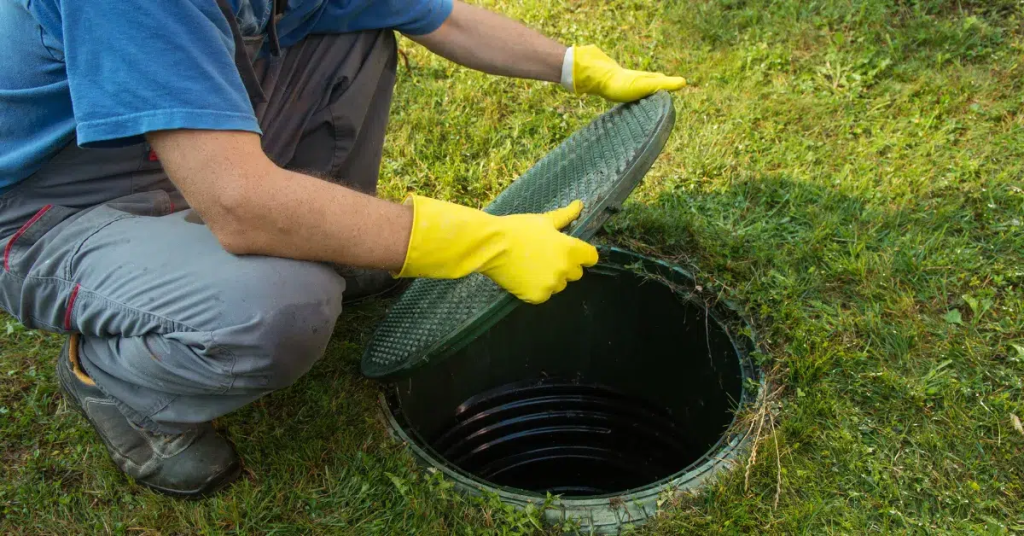
In the United States, a large percentage of homes rely on septic systems to manage their wastewater. These systems, if properly maintained, can function efficiently for decades. However, delaying septic maintenance can lead to severe financial, health, and environmental consequences. This article delves into the essential aspects of septic maintenance, the repercussions of neglect, and practical ways to deter these expensive outcomes.
Septic systems are an integral part of wastewater management for many households in the U.S. They consist of a septic tank and a drain field that treat household wastewater on-site. This system is vital for homes not connected to a municipal sewer line, offering an environmentally friendly and cost-effective solution when regularly maintained.
Regular septic maintenance involves routine inspections and pumping to remove solid waste that accumulates in the tank. The Environmental Protection Agency (EPA) recommends septic systems be inspected every three years and pumped every three to five years, depending on usage and household size. Proper maintenance ensures the system operates effectively and prevents costly repairs or replacements.
The costs associated with septic system failure can be substantial. A basic septic tank pump costs between $250 to $1000 depending on the extent of the damage. Delaying maintenance can significantly increase these costs over time.
Neglecting septic maintenance doesn’t only lead to financial burdens but also poses serious environmental and health risks. A failing system can contaminate groundwater and soil, leading to the spread of harmful bacteria and nutrients. This contamination can affect local water sources, posing health risks to humans and wildlife alike.
Septic system failures often result from improper maintenance, such as not pumping the tank regularly, flushing inappropriate items down the drain, or failing to conserve water. Other causes include heavy rainfall leading to flooded drain fields and the growth of tree roots that invade system components. Regular inspections help identify these issues before they escalate.
Implementing preventive measures can significantly reduce the likelihood of septic system failure and the associated costs. Regular inspections, proper disposal of waste, water conservation, and periodic pumping are effective strategies. Additionally, homeowners can invest in septic tank additives to enhance bacterial activity, though these should not replace regular maintenance.
Industry experts advocate for comprehensive care of septic systems to prolong their lifespan and ensure optimal performance. Engaging a professional service for inspections and maintenance is crucial, as experts can detect subtle signs of wear or potential failure. Consulting with professionals can also provide personalized recommendations based on specific system conditions.
Technological advancements have introduced tools that aid in septic system management, such as advanced monitoring systems that track performance and detect anomalies. These systems can alert homeowners to issues before they evolve into major problems, allowing for timely interventions and minimizing repair costs.
Homeowners must also be aware of local regulations and zoning laws related to septic systems. Failing to comply with these regulations can result in fines and legal issues. Staying informed and ensuring system compliance with local laws can prevent legal complications and protect the environment.
Scheduling regular septic service with trusted professionals can mitigate the risks associated with delayed maintenance. Companies like Blackwater Septic Pros offer reliable inspection, pumping, and maintenance services designed to keep systems running smoothly and efficiently. To schedule a service or consultation, homeowners can visit schedule a service or contact their local provider.
Delaying septic maintenance can lead to significant costs, environmental harm, and health risks. By understanding the importance of regular maintenance, homeowners can take proactive steps to ensure their system operates efficiently and sustainably. As waste management technology evolves, new opportunities for system monitoring and care will continue to emerge, further enhancing the efficiency and reliability of septic systems.