

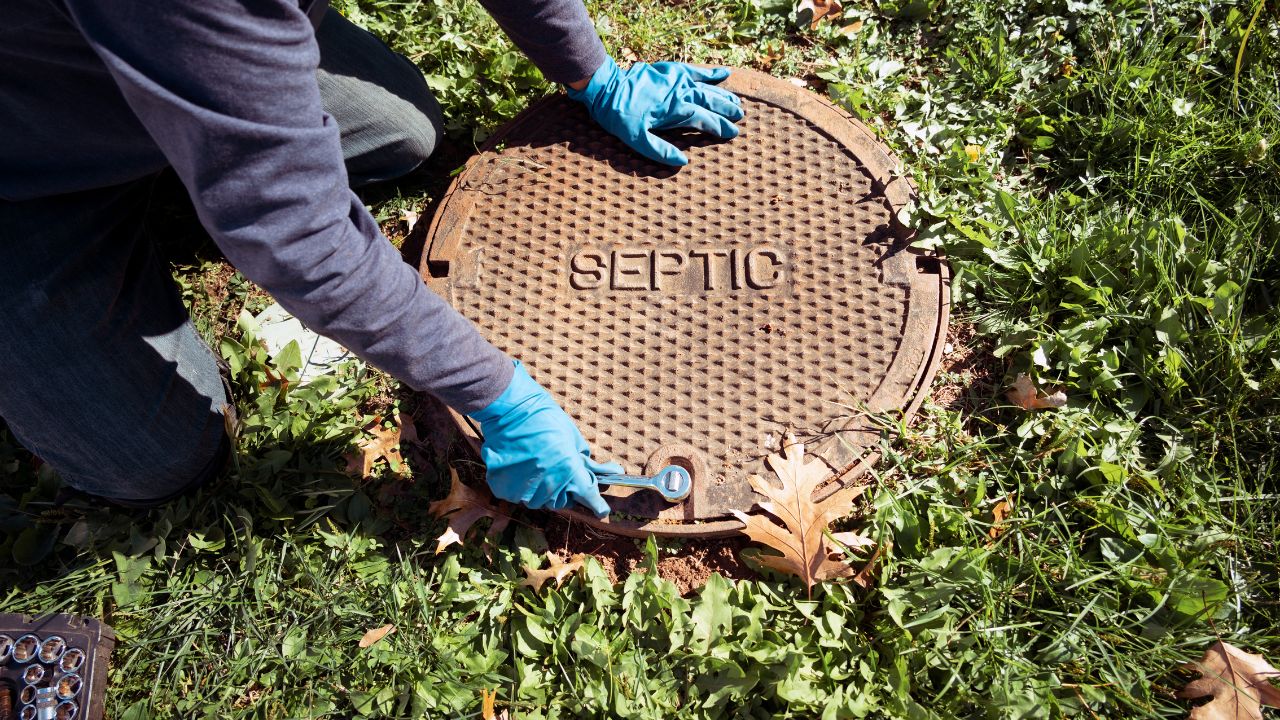
Septic inspection duration depends on system type, accessibility, and assessment scope. A standard evaluation of a conventional system on accessible property typically requires 1-2 hours. Systems with buried components requiring excavation, multiple tanks, or advanced mechanical features may extend inspection time to 3-5 hours or more.
Understanding what to expect during the inspection process helps homeowners prepare for real estate transactions and routine maintenance. Weather conditions, site layout, and pumping needs all influence total time commitment.
Key Takeaways
A septic inspection evaluates the condition and functionality of your wastewater treatment system. Understanding the importance of regular septic inspections prevents costly failures and protects property value during ownership or sale.
These assessments identify potential problems before they cause backups, environmental contamination, or failed real estate closings. Systems showing signs of failure require immediate professional evaluation regardless of previous inspection dates.
Standard septic inspections include visual inspection of the tank, drainfield, and accessible components with dye testing and basic functionality checks. Inspectors open the tank to assess scum and sludge layers for proper decomposition and adequate capacity. Standard condition assessments represent 45% of the inspection market due to cost-effectiveness for routine evaluations.
These basic inspections may not detect hidden issues within pipes or underground drainfield sections without specialized equipment. Limited diagnostic capabilities mean older systems or those with unknown maintenance histories may require more thorough assessment methods.
Advanced diagnostic inspections include standard elements plus specialized tools like sewer cameras for internal pipe inspection. Hydraulic load tests evaluate drainfield performance under simulated usage conditions, and advanced soil analysis determines absorption capacity. These comprehensive assessments represent 20% of the inspection market and are most valuable for older systems or properties with challenging site conditions.
Hydraulic load tests can add $500 to $1,000 to the inspection cost due to equipment requirements and extended testing time. Advanced diagnostic inspections take longer but provide detailed insights, preventing unexpected failures after property purchase.
Conventional systems consist of a septic tank and gravel or stone drainfield for effluent distribution. Chamber systems offer an alternative to gravel drainfields with easier installation and better performance in high groundwater areas. Drip distribution systems utilize a dose tank and shallow drip laterals, requiring electrical power and additional maintenance components.
Aerobic Treatment Units inject oxygen to enhance bacterial activity and are suitable for smaller lots or challenging soil conditions. Mound systems address areas with shallow soil, high groundwater, or bedrock using a pump chamber and a constructed sand mound.
Septic System Types at a Glance
| System Type | Typical Setup | Inspection Consideration |
| Conventional | Septic tank + gravel/stone drainfield | Straightforward access in most cases |
| Chamber | Drainfield chambers instead of gravel | Similar timing to conventional systems |
| Drip Distribution | Dose tank + shallow drip laterals | Electrical components add check time |
| Aerobic Treatment Unit (ATU) | Oxygen injection for bacterial treatment | Mechanical parts extend inspection time |
| Mound | Pump chamber + constructed sand mound | Additional components to verify |
System complexity and site conditions determine septic inspection time more than any other factors. Accessibility to components, weather conditions, and whether additional services like pumping are needed all extend the baseline duration. The inspection steps required vary significantly between a simple visual assessment and a comprehensive real estate evaluation with advanced diagnostics.
Inspectors spend additional time documenting findings, photographing components, and explaining results to property owners or buyers. Digital reporting preparation adds minimal time but provides valuable documentation for transactions and future maintenance planning.
A standard septic inspection for conventional systems on easily accessible property typically requires 1-2 hours to complete. Complex systems requiring excavation, pumping, or advanced diagnostics could extend to 3-5 hours or more, depending on buried components. Aerobic Treatment Units require more maintenance and inspections due to mechanical components like air pumps, alarms, and control panels.
Sand filter systems provide high treatment levels but are more expensive and complex to inspect thoroughly. Systems suitable for smaller lots or challenging soil conditions often require regular annual maintenance, extending inspection duration.
Estimated Inspection Duration by System Complexity
| System Complexity | Typical Duration | Example Systems |
| Standard, accessible | 1-2 hours | Conventional chamber systems |
| Moderate complexity | 2-3 hours | Systems needing partial excavation |
| Complex or mechanical | 3-5+ hours | ATUs, mound systems, sand filters |
Buried septic tank lids requiring excavation add significant time to any inspection, regardless of system type. Difficult access to drainfield areas or overgrown vegetation covering components prolongs physical assessment. Weather conditions like frozen ground prevent tank opening, while heavy rains make drainfield evaluation unreliable and potentially unsafe.
Site layout affecting inspector vehicle access and equipment positioning can add 30-60 minutes to service calls. Remote properties with long driveways or properties lacking clear system location documentation require additional search time before inspection begins.
Maintenance logistics, including pumping and travel, represent 25% of the inspection market because tank emptying is often required. Septic tank pumping typically adds 45-90 minutes to total service time, depending on tank size and access. Combined septic tank pumping and inspection services save homeowners time by completing both tasks during a single visit.
Travel time increases with property distance from service providers, with average price increases of $64.40 per mile documented. Properties in rural areas should expect longer total service durations due to transit requirements.
Professional septic inspection follows a systematic process, evaluating all system components for proper function and regulatory compliance. Inspectors begin by locating the septic tank, distribution box, and drainfield areas using property records or ground-penetrating technology. Opening the tank allows direct assessment of liquid levels, scum layer thickness, and sludge accumulation, requiring pumping attention.
Component testing verifies proper flow from the house through the tank to the drainfield without backups or leaks. Inspectors check mechanical elements like pumps, floats, and alarms on systems requiring electrical components for wastewater distribution.
Comprehensive real estate septic inspections evaluate the entire system, including tank, piping, drainfield, pumps, and alarms, to assess condition and capacity. This differs from narrower regulatory malfunction inspections focused only on identifying active failures or environmental violations. Initial visual assessment identifies obvious problems like surfacing effluent, vegetation changes, or odors indicating drainfield saturation or failure.
Internal tank inspection measures scum and sludge layers to determine if pumping is immediately necessary before further testing. Dye testing traces flow from household fixtures through the system to verify proper drainage and identify any leaks.
Sewer cameras allow internal pipe inspection to identify cracks, root intrusion, or blockages without excavation. Video documentation provides clear evidence of pipe condition and helps homeowners understand repair recommendations. Hydraulic load tests simulate household water usage to evaluate drainfield absorption capacity under realistic conditions.
Electronic tank locators and ground-penetrating radar help find buried components when property records are incomplete or inaccurate. Soil probes and percolation testing equipment assess drainfield soil conditions when advanced diagnostics are warranted for problem systems.
Reporting services represent 10% of the inspection market as documentation becomes increasingly important for transactions. Digital reporting formats are increasingly preferred for clarity and ease of sharing with buyers, sellers, lenders, and real estate agents. Comprehensive reports include photographs, component diagrams, maintenance recommendations, and regulatory compliance assessments with clear pass or fail determinations.
Modern reports often include video footage from camera inspections showing internal pipe conditions to support repair recommendations. Written summaries explain findings in accessible language while maintaining the technical accuracy required for regulatory and transaction purposes.
Location and seasonal patterns create predictable variations in inspection scheduling and duration across different regions. Southwest Ohio experiences distinct seasonal demand fluctuations tied to real estate transaction cycles and weather-related access limitations. Seasonal septic system maintenance requirements affect when property owners schedule inspections and how quickly service providers can respond.
Local soil conditions, water table levels, and typical system types in specific areas all influence inspection complexity and time. Inspectors familiar with regional system characteristics complete assessments more efficiently than those unfamiliar with local installation practices.
Approximately one-fifth of U.S. households depend on septic systems for wastewater treatment rather than municipal sewer connections. Roughly 1 million homes, about 21% of households in Ohio, utilize septic tanks compared to the 20% national average. Ohio’s slightly higher reliance on septic systems reflects the state’s greater percentage of population outside urban areas.
Ohio’s population is slightly older than the national median, with higher percentages aged 55 and over who represent long-term homeowners. This demographic pattern influences inspection timing, as older homeowners often maintain systems proactively or prepare properties for sale, requiring compliance verification.
Home sales typically peak in spring and summer, leading to increased demand for inspections during these periods. Frozen ground conditions during winter months prevent tank access and make drainfield evaluation impossible without waiting for the thaw. Heavy spring rains can saturate soils and make drainfield assessments unreliable, requiring inspectors to reschedule or note conditions affecting evaluation accuracy.
Fall represents an ideal inspection window with moderate weather and lower demand than peak summer transaction months. Scheduling flexibility during off-peak seasons often results in faster service appointments and more inspector availability for detailed assessments.
Inspectors must register with every local health district where they work per Ohio Revised Code Chapter 3718 and Ohio Administrative Code 3701-29-03. Authority for septic system regulation in Hamilton, Ohio, falls under the City of Hamilton Health Department, not the Butler County General Health District. This jurisdictional distinction matters because local requirements for inspection scope, reporting formats, and inspector qualifications vary between health districts.
Some Ohio communities require specific inspection procedures or certifications for real estate transactions beyond state baseline requirements. Verifying local requirements before scheduling inspections prevents delays from incomplete or non-compliant assessment documentation.
Qualified inspectors combine technical knowledge, practical experience, and local regulatory understanding to provide reliable assessments. Licensing and registration status determines legal authorization to perform inspections in specific Ohio jurisdictions, including Hamilton. Equipment quality and maintenance affect inspection thoroughness, with modern tools enabling detection of problems older technology might miss.
Professional credentials from recognized industry organizations indicate advanced training and commitment to continuing education on evolving best practices. Customer reviews and references reveal inspector reliability, communication quality, and whether previous clients felt confident in assessment accuracy.
An inspector must be registered with the City of Hamilton Health Department to legally perform work within city limits. Verify inspector registration status directly with the City of Hamilton Health Department general line at 513-785-7080 before hiring. Certifications from organizations like NOWRA, NAWT, StreamKey, or LEED demonstrate expertise beyond minimum regulatory requirements for septic system assessment.
Registration requirements exist to protect public health by ensuring only qualified professionals evaluate systems affecting groundwater and environmental quality. Working with unregistered inspectors may result in invalid reports being rejected by lenders, health departments, or real estate transaction parties.
Systems that are properly maintained are more likely to pass inspection and have longer lifespans than neglected ones. Experienced inspectors recognize subtle indicators of developing problems that might escape less seasoned professionals during routine assessments. Modern sewer cameras, electronic locators, and diagnostic equipment enable a thorough evaluation impossible with basic visual inspection alone.
Inspectors using advanced tools can document conditions with photographic and video evidence that supports recommendations and helps homeowners understand issues. Equipment quality correlates with inspection thoroughness because better tools reveal problems hidden from standard visual assessment methods.
Check for positive reviews and ask for references to gauge the inspector’s thoroughness and professionalism with previous clients. Confirm that inspectors carry appropriate liability insurance to protect property owners from potential damage during assessment procedures. Ask about specific experience with your system type since ATUs, mound systems, and drip distribution require specialized knowledge beyond conventional systems.
Inquire whether the inspector provides digital reports with photographs and clear maintenance recommendations or just verbal findings. Request the estimated inspection duration and whether pumping services are available during the same visit to consolidate service needs.
Inspection pricing reflects service scope, system complexity, and additional services like pumping or advanced diagnostics required. The U.S. septic, drain, and sewer cleaning services industry was valued at approximately $8.7 billion in 2026. The septic inspection services market specifically reached $1.15 billion in 2026, with projected five-year growth of approximately 24.6%.
Budget pricing typically covers basic visual inspections of accessible systems without advanced diagnostics or specialized testing. Premium pricing includes comprehensive assessments with camera inspections, hydraulic load tests, detailed reporting, and pumping services combined.
Standard inspections range from $ 250 to $ 575, depending on system accessibility and basic testing requirements. Advanced diagnostic inspections cost $500-$1,250 when specialized equipment, extended testing, or complex system evaluation is necessary. Septic system maintenance tips help homeowners determine appropriate inspection frequency and scope for their specific system type.
Mid-range pricing typically includes thorough visual assessment, dye testing, basic component function verification, and straightforward reporting. Premium services add camera diagnostics, soil analysis, hydraulic load testing, and comprehensive documentation meeting strict transaction or regulatory requirements.
Standard septic inspection typical price ranges from $250-$575 for conventional systems on accessible properties without excavation requirements. Advanced diagnostic inspection typical price ranges from $500-$1,250 when specialized testing or challenging system access increases assessment complexity. Reporting services add $50-$375 to base inspection costs depending on documentation detail and format required by lenders or buyers.
How often should a septic system be pumped affects whether pumping costs get bundled with inspection services or scheduled separately. Combined service calls reduce total costs compared to separate visits for inspection and maintenance pumping.
Septic Inspection Pricing at a Glance
| Service Tier | Price Range | What’s Included |
| Standard Inspection | $250-$575 | Visual assessment, dye testing, basic function checks |
| Advanced Diagnostic | $500-$1,250 | Camera inspection, hydraulic load test, soil analysis |
| Reporting | $50-$375 | Digital report with photos and documentation |
| Pumping Add-On | $325-$800 | Tank pumping combined with inspection visit |
Maintenance logistics, including pumping and travel, typically cost $325-$800 depending on tank size and property location. Travel pricing increases by an average of $64.40 per mile based on 2025 industry analysis. Rural properties should expect higher total costs due to extended travel time and fuel expenses added to base service rates.
Scheduling multiple services during single visits reduces per-service costs by eliminating duplicate travel charges and setup time. Some providers offer package pricing combining inspection, pumping, and minor repairs at reduced rates compared to individual service calls.
Report validity depends on multiple factors, including local regulations, lender requirements, and system condition changes since assessment. There is no single, statewide Ohio rule that dictates a universal expiration date for septic inspection reports across all jurisdictions. Local health districts, like the City of Hamilton Health Department, may have specific requirements for the recency of property transfers and transactions.
Understanding validity factors helps homeowners and buyers determine when new inspections become necessary rather than relying on older documentation. The cost of delaying septic maintenance includes potential report invalidation, requiring additional inspection expenses during time-sensitive real estate transactions.
Mortgage lenders or buyers may impose their own requirements for inspection report age, often preferring reports less than 30, 60, or 90 days old. Purchase agreements between buyers and sellers can specify acceptable inspection report age or mandate new assessments regardless of recent evaluations. For real estate transactions, obtaining inspection reports within 30-90 days of closing is generally recommended to satisfy most lender and buyer requirements.
Local health district policies in Hamilton and other Ohio communities may establish specific report recency standards for property transfer approvals. Transaction timelines and financing contingencies often drive inspection scheduling more than regulatory expiration rules.
Reports become potentially invalid if occupancy changes cause significant household size increases that exceed system design capacity specifications. System alterations or repairs occurring since inspection require reassessment to verify proper installation and continued functionality. Tank pumping shortly before or after inspection affects sludge and scum layer measurements that determine maintenance scheduling recommendations.
Flooding, severe weather, or changes in drainage patterns can damage systems and render previous inspection findings obsolete. Backups, surfacing effluent, odors, or alarm activations indicate system problems requiring immediate professional evaluation regardless of recent inspection timing.
Many mortgage lenders require inspections completed within 30-90 days of closing to ensure system condition reflects current functionality. Some Ohio health districts mandate specific inspection procedures or licensed inspector qualifications for reports used in property transfer approvals. Real estate contracts often specify inspection requirements more stringent than regulatory minimums to protect buyer interests and prevent post-closing disputes.
FHA and VA loan programs may impose stricter septic inspection standards than conventional financing, requiring additional testing or documentation. Verifying specific lender and local authority requirements before scheduling inspections prevents delays from non-compliant or insufficient assessment documentation.
Septic inspection time varies from 1-5 hours depending on system complexity, site accessibility, weather conditions, and assessment scope required. Standard evaluations of conventional systems on accessible properties are typically completed within 1-2 hours for routine maintenance or basic real estate requirements. Complex systems with buried components, multiple tanks, or advanced mechanical features requiring specialized diagnostics extend inspection duration to 3-5 hours or more.
Understanding these timeframes helps homeowners and buyers plan for inspection appointments and coordinate with real estate transaction schedules effectively. Professional inspectors registered with local health departments provide reliable assessments meeting Ohio regulatory requirements and lending institution standards.
Black Water Septic Pros has served Southwest Ohio homeowners for nearly 30 years with licensed technicians certified by NOWRA, NAWT, StreamKey, and as LEED Green Associates. Their advanced vacuum trucks and diagnostic equipment enable thorough inspections across conventional, aerobic, mound, and other system types. Seven-day availability, Monday through Sunday from 7 AM to 5 PM, ensures homeowners can schedule inspections during convenient times without waiting weeks during peak real estate seasons.
Knowing what to expect from a septic inspection makes it easier to plan around your schedule, whether you need a routine check-up or a report for a real estate closing. Black Water Septic Pros has served Southwest Ohio homeowners for nearly 30 years, and our licensed technicians walk you through every finding in plain language, with no surprise fees and no pressure to buy services you do not need.
Request an appointment with Black Water Septic Pros today to get a straightforward quote, or call (513) 623-1792 to speak with our team directly. We are available seven days a week, Monday through Sunday, from 7:00 AM to 5:00 PM, with emergency service on call when you need it most.
A. A comprehensive real estate septic inspection typically takes 2 to 4 hours, longer than a routine check-up because it covers the tank, drainfield, pumps, and alarms in full. Inspectors also prepare a detailed report for buyers, sellers, and lenders, which adds time beyond the physical assessment. Properties with buried tank lids or limited access can extend the visit further. Scheduling the inspection early in the transaction timeline helps avoid last-minute delays.
A. Most septic inspections are completed in one visit, including standard evaluations and many advanced diagnostic assessments. If pumping is needed to properly view the tank interior, that service is often bundled into the same appointment. Only unusual cases, such as frozen ground or an inaccessible system location, typically require a follow-up visit. Combining services in one trip is the most time-efficient option for homeowners.
A. Yes, tank pumping adds roughly 45 to 90 minutes to the inspection, depending on tank size and accessibility. Pumping is often necessary anyway when scum and sludge levels make it hard to assess tank condition accurately. Combining pumping and inspection in the same visit saves a separate trip and reduces overall cost. Ask your inspector ahead of time whether pumping is included or billed separately.
A. Locate any records showing the tank and drainfield location, since this saves search time during the visit. Clear overgrown vegetation or stored items from around the tank lids and drainfield area beforehand. Make sure the inspector has vehicle access to the property, including long driveways or gated entrances. Avoid scheduling immediately after heavy rain, since saturated soil can make drainfield evaluation unreliable.
A. Black Water Septic Pros offers service seven days a week, Monday through Sunday from 7:00 AM to 5:00 PM, so appointments rarely require a long wait. Real estate transactions with firm closing dates receive priority scheduling whenever possible. Call (513) 623-1792 or request an appointment online to check current availability in your area. Our team also handles emergency situations outside standard scheduling when needed.