

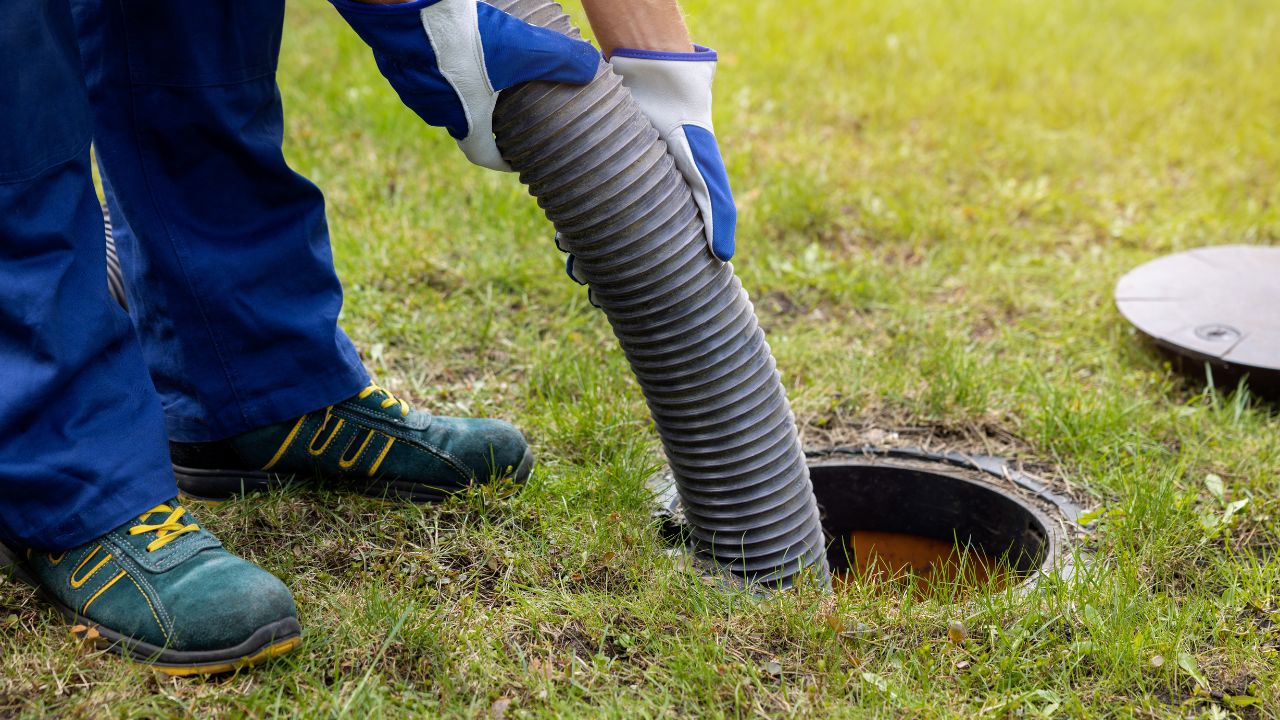
Septic tank pumping represents one of the most essential maintenance tasks for Hamilton homeowners relying on onsite wastewater systems. Understanding actual local pricing helps property owners budget effectively and avoid emergency expenses that can exceed routine service costs by several hundred dollars.
This cost guide examines real-world pumping rates for Butler County residents, factoring in tank capacity, household usage, accessibility challenges, and additional services. Market data shows Hamilton-area homeowners typically spend between $300 and $650 for standard pumping, with costs influenced by specific property conditions and service timing.
Key Takeaways
Septic tank pumping removes accumulated sludge and scum from your system’s primary treatment chamber. This essential service prevents solid buildup from entering the drainfield, which would cause system failure and expensive repairs.
Neglecting regular pumping leads to sewage backups, groundwater contamination, and property value reduction. Most Hamilton homeowners require pumping every 3-5 years, depending on household size and water consumption patterns.
Conventional gravity systems distribute wastewater through drainfields using natural elevation differences without mechanical assistance. Aerobic Treatment Units introduce oxygen into the treatment process, breaking down organic waste more efficiently than traditional anaerobic methods.
Mound systems elevate the treatment area when soil depth or percolation rates fail to meet standard drainfield requirements. Drip irrigation and pressure distribution systems ensure even wastewater dispersal across treatment areas, improving overall system performance and longevity.
Full septic tanks force solids into drainfield pipes, causing permanent damage requiring costly replacement. Malfunctioning systems contaminate groundwater supplies, threatening public health and violating environmental regulations that carry substantial penalties.
Failing septic systems reduce property values by thousands of dollars and create legal liabilities during real estate transactions. System failures also generate public health risks, potentially resulting in fines from Hamilton County Public Health inspectors.
Research shows 77% of Pennsylvania respondents pump tanks every 1-5 years, reflecting widespread adherence to maintenance guidelines. A typical Hamilton-area family of four with a 1,000-gallon tank requires professional pumping every 3-5 years.
Butler Soil and Water Conservation District recommends pumping every 2-5 years at a cost of $250-$300 per service. Following this schedule prevents the $3,000-$7,000 expense of repairing or replacing malfunctioning systems.
Tank capacity and household water usage directly determine septic pumping cost for Hamilton homeowners. Standard 1,000-gallon tanks cost $300-$425 for routine service, while larger systems or difficult access conditions increase pricing.
Emergency service demands add $150-$250 premiums to base rates, making scheduled maintenance more economical. Budget-conscious homeowners should expect $300 for basic pumping, $400-$525 for mid-range services, and $600-$650+ for premium situations.
A 1,000-gallon tank pumping costs $300-$425 for standard service under normal conditions. Larger 1,500-gallon systems or emergency calls range from $500-$650 plus additional emergency premiums of $150-$250.
Mid-range services for 1,500-gallon tanks typically cost $400-$525 with some additional services included. Premium charges of $600-$650+ apply when larger tanks, emergency situations, or access complications require extra equipment or labor.
Quick reference: septic tank pumping cost by tank size and service type in Hamilton, OH.
| Tank Size | Service Type | Typical Cost |
| 1,000-gallon tank | Standard pumping | $300 – $425 |
| 1,500-gallon tank | Standard pumping | $400 – $525 |
| 1,500-gallon tank | Emergency pumping | $500 – $650, plus $150-$250 emergency premium |
| Any tank size | Riser installation (add-on) | $200 – $400 |
Riser installation during pumping adds $200-$400 to base service costs but simplifies future maintenance access. The riser creates a permanent access pipe from the buried tank lid to ground level, eliminating excavation expenses.
Effluent filters installed in septic tanks prevent solids from entering the drainfield, extending system lifespan. How water usage affects your septic system determines filter maintenance frequency and overall pumping schedules for Hamilton households.
Emergency service for 1,500-gallon tanks costs $500-$650 plus emergency premiums ranging from $150-$250. After-hours or weekend calls command higher rates due to technician availability and equipment scheduling constraints.
Proactive maintenance eliminates emergency premiums entirely, saving Hamilton homeowners hundreds of dollars annually. Understanding the cost of delaying septic maintenance helps property owners prioritize scheduled service over reactive emergency calls.
Pumping represents the most frequent and affordable septic service, typically costing $300-$425 for standard tanks. Other maintenance and repair services range from hundreds to thousands of dollars, depending on complexity and system condition.
Inspection services cost less than pumping, while repairs and installations represent substantially larger investments. Understanding comparative pricing helps Hamilton homeowners budget appropriately for complete septic system ownership costs.
Budget inspections start at $250 for basic visual assessments of system components. Mid-range real estate-grade inspections cost $350-$450 and include detailed reporting required for property transactions.
Premium comprehensive inspections range from $ 550 to $ 900, with advanced diagnostics and camera work included. Research indicates 73% of Pennsylvania inspection services cost under $500, making routine assessments affordable for most homeowners.
Minor repairs like baffle replacement or pipe fixes cost $400-$1,200 for most Hamilton properties. Mid-range repairs, including pump replacement or distribution box work, range from $1,500-$2,500.
Major repairs involving partial drainfield work or extensive pipe replacement cost $3,500-$5,000 or more. Butler Soil and Water Conservation District estimates full system repairs or replacements at $3,000-$7,000 depending on damage severity.
Conventional gravity system installations cost $8,000-$12,000 for straightforward property conditions in Butler County. Mid-range installations incorporating moderate site complexity or enhanced treatment features range from $12,000-$18,000.
Advanced systems with mound construction, aerobic treatment, or challenging site conditions cost $18,000-$25,000 or more. Historical 2007 Butler County data showed conventional systems at $6,700-$12,000 and mound systems at $12,000-$20,000, demonstrating significant cost escalation over nearly two decades.
The table below compares septic tank pumping cost to other common septic services in Hamilton, OH.
| Septic Service | Typical Cost Range |
| Septic tank pumping (standard) | $300 – $425 |
| Septic tank pumping (1,500-gal or emergency) | $500 – $650+ |
| Septic inspection (budget) | $250+ |
| Septic inspection (real estate-grade) | $350 – $450 |
| Septic inspection (premium/comprehensive) | $550 – $900 |
| Minor repairs | $400 – $1,200 |
| Mid-range repairs | $1,500 – $2,500 |
| Major repairs | $3,500 – $5,000+ |
| New installation (conventional) | $8,000 – $12,000 |
| New installation (advanced/mound) | $18,000 – $25,000+ |
Licensed professionals perform septic pumping using specialized vacuum trucks that remove accumulated sludge and scum. Proper waste disposal at approved facilities ensures environmental compliance and prevents groundwater contamination throughout Hamilton and Butler County.
Modern service providers employ advanced equipment, including video inspection cameras and high-pressure jetting systems. These technologies enable precise diagnosis and effective treatment of system problems without unnecessary excavation or property disruption.
Septic pumping involves complete sludge and scum removal using industrial vacuum trucks with sufficient capacity. Professional disposal at licensed treatment facilities ensures compliance with Hamilton County environmental regulations and public health standards.
Hydro-jetting employs high-pressure water streams to clear stubborn blockages and clean interior pipe surfaces. This technology removes accumulated grease, mineral deposits, and root intrusions that restrict wastewater flow through system components.
Video inspection cameras provide detailed interior views of pipes and tanks without excavation requirements. Small waterproof cameras mounted on flexible cables identify cracks, blockages, and structural deficiencies requiring repair or replacement.
Effluent filters trap solids before they enter drainfield pipes, preventing premature system failure. These filters require periodic cleaning during routine maintenance visits but extend drainfield lifespan by years or decades.
Riser installation creates permanent above-ground access from buried tank lids to ground level. This modification eliminates excavation costs and lawn damage associated with locating and exposing buried tank access points.
Installing risers during scheduled pumping costs an additional $200-$400 but saves those expenses on every future service. Hamilton homeowners typically recover this investment within 2-3 maintenance cycles through reduced labor and restoration costs.
Hamilton homeowners prioritize knowing proper maintenance schedules, with 67% citing timing knowledge as a primary decision factor. Service cost ranks second at 41%, followed by provider availability at 38% and system reliability at 32%.
Local demographics significantly influence septic service demand and pricing structures throughout Butler County. Rural areas with lower population density and higher homeownership rates show greater septic system prevalence than urban Hamilton City.
Pennsylvania research shows 67% of homeowners cite knowing when to inspect or pump as their primary concern. Service cost influences decisions for 41% of respondents, reflecting significant budget consciousness among septic system owners.
Provider availability matters to 38% of homeowners, while 32% prioritize system reliability and 28% focus on service quality. Scheduling convenience ranks lower at just 8%, suggesting homeowners value expertise and reliability over appointment flexibility.
Butler County’s population density of 836.7 residents per square mile contrasts sharply with Hamilton city’s 2,955.7 per square mile. This density difference correlates with higher septic system prevalence in rural county areas versus urban municipal sewer connections.
Butler County’s 69.9% homeownership rate exceeds Hamilton city’s 54.3%, indicating more residents maintain private septic systems. Approximately 20% of U.S. residents lack public sewer connections, while 83% of households were connected to municipal systems in 2021.
Butler County’s median household income of $81,590 exceeds Hamilton city’s $55,166 by over $26,000. Higher incomes correlate with more frequent preventative maintenance and lower rates of deferred system care.
Butler County’s 17.5% senior population exceeds Hamilton city’s 14.3%, potentially affecting maintenance frequency and service preferences. The county’s 69.9% owner-occupied housing rate suggests substantial demand for professional septic services throughout the region.
Homeowners should schedule pumping when experiencing slow drains, unusual odors, wet spots, or sewage backups. These warning signs indicate tanks approaching capacity or system components beginning to fail under excessive solid accumulation.
Proactive maintenance scheduled every 3-5 years prevents costly emergency repairs and extends system lifespan significantly. Regular service provides a substantial return on investment by avoiding the thousands of dollars required for system replacement or major repairs.
Slow drains throughout the house signal tanks reaching capacity and requiring immediate professional attention. Sewage odors near the tank or drainfield indicate system overload or component failure, demanding urgent evaluation.
Wet spots or standing water over the drainfield suggest system failure from excessive solid accumulation. Sewage backups into fixtures represent complete system failure requiring emergency pumping and potential repair work.
Routine pumping costs $250-$300 every three to four years, according to Butler Conservation District estimates. Repairing or replacing malfunctioning systems costs $3,000-$7,000, representing a 10-23 times higher expense than preventative maintenance.
Conventional systems require inspections every 1-3 years, while advanced systems need annual professional assessments. Following recommended pumping schedules every 2-5 years prevents most system failures and maximizes equipment lifespan.
Water conservation reduces septic system load, preventing premature tank filling and extending pumping intervals. Proper waste disposal prevents clogging by avoiding non-biodegradable items, grease, and harsh chemicals that kill beneficial bacteria.
Protecting drainfields from vehicle traffic prevents soil compaction that reduces treatment effectiveness and system capacity. Planting trees at appropriate distances prevents root intrusion into pipes while certified professionals ensure proper installation and complex repairs.
The U.S. septic tank market reached $1.06 billion in 2024, with continued growth expected regionally. Pumping market projections show expansion from $3.58 billion in 2025 to $5.4 billion by 2035 at 4.2% annual growth.
Maintenance and repair segments demonstrate even stronger growth, expanding from $0.81 billion in 2026 to $1.76 billion by 2035. This 10.5% annual growth rate reflects increasing awareness of preventative maintenance value among property owners throughout Southwest Ohio.
The septic tank market was valued at approximately $1.06 billion in 2024, with steady expansion anticipated. Pumping services will grow from $3.58 billion in 2025 to $5.4 billion by 2035, reflecting 4.2% compound annual growth.
Maintenance and repair services show exceptional growth projections from $0.81 billion in 2026 to $1.76 billion by 2035. The 10.5% annual growth rate indicates rising homeowner emphasis on system longevity and environmental compliance.
Riser installation during routine pumping adds $200-$400 but simplifies all future maintenance access permanently. Video inspection technology employing small cameras provides detailed interior assessment without excavation, becoming standard for comprehensive service packages.
Effluent filter installation prevents solids from entering drainfields, extending system lifespan and reducing repair frequency. These proactive upgrades gain popularity as Hamilton homeowners recognize long-term cost savings over reactive emergency repairs.
Hamilton County Public Health conducts yearly inspections of mechanical septic systems to ensure proper operation. Non-mechanical conventional systems receive inspections every five years, establishing minimum maintenance standards for all county residents.
Only 6.4% of Ohio’s land provides suitable soil for conventional leach fields without modification. This limitation necessitates advanced system installations in many Butler County locations, increasing both installation and maintenance costs significantly.
Hamilton homeowners typically invest $300-$650 for septic tank pumping, depending on tank size and service requirements. This essential maintenance protects property values, prevents health hazards, and avoids the thousands of dollars required for emergency repairs or system replacement.
Proactive scheduling every 3-5 years provides substantial savings compared to emergency service premiums and system failures. Understanding local pumping rates and market trends helps property owners make informed decisions about their wastewater treatment investments.
Regular maintenance represents the most cost-effective approach to septic system ownership throughout Butler County. Black Water Septic Pros serves the Hamilton area with licensed technicians, modern equipment, and nearly three decades of local expertise.
You don’t have to guess what septic tank pumping cost will look like for your property. Black Water Septic Pros has served Hamilton and Butler County homeowners for nearly 30 years with licensed technicians, modern vacuum trucks, and straightforward pricing you can plan around. Call (513) 623-1792 or request an appointment with Black Water Septic Pros to get a straightforward quote and get your tank on the schedule.
A. Most Hamilton homeowners pay $300 to $425 for a standard 1,000-gallon tank, while 1,500-gallon tanks run $400 to $525 for routine service. Emergency or after-hours pumping adds $150 to $250 to those base rates. Optional add-ons like riser installation cost an additional $200 to $400. Black Water Septic Pros provides transparent pricing so you know the cost before the truck arrives.
A. Most Hamilton-area households need pumping every 3 to 5 years, depending on tank size and how many people live in the home. Butler Soil and Water Conservation District recommends a 2- to 5-year interval for most conventional systems. Larger households or homes with garbage disposals may need more frequent service. Sticking to a schedule costs far less than repairing a system that has failed from neglect.
A. Standard homeowners insurance typically does not cover routine septic tank pumping, since it counts as regular maintenance rather than sudden damage. Some policies cover sudden, accidental backups or line breaks, but coverage varies by carrier and policy. Check your policy details or ask your agent before assuming a repair will be covered. Black Water Septic Pros can provide service documentation if you need it for an insurance claim.
A. Scheduling routine pumping every 3 to 5 years avoids the $150 to $250 emergency premium that comes with after-hours or urgent calls. Installing a riser during your next pumping visit adds $200 to $400 upfront but eliminates excavation costs on every future service. Water conservation habits also reduce how quickly solids accumulate, which can extend the time between pumpings. Ask Black Water Septic Pros about service contracts, which bundle scheduled maintenance at a predictable rate.
A. Skipping pumping lets solid waste build up until it overflows into the drainfield, which can cause permanent damage that requires drainfield or full system replacement. That kind of failure typically costs $3,000 to $7,000 or more, compared to a $250 to $300 routine pumping visit. Neglected systems also risk sewage backups into the home and groundwater contamination that can trigger county health department fines. Routine pumping is the least expensive way to avoid all of those outcomes.