

Septic systems play a critical role in protecting public health, groundwater quality, and the environment—especially in communities that rely on onsite wastewater treatment. In Ohio, the installation, operation, and maintenance of septic systems are governed by Ohio Revised Code (ORC) Chapter 3718, which sets statewide standards for sewage treatment systems.
For homeowners and property owners in Hamilton and Southwest Ohio, understanding these regulations is essential. Compliance not only protects your investment but also prevents costly fines, system failures, and environmental contamination. This guide explains Ohio Revised Code Chapter 3718, its key entities, and what it means for septic system owners.
Ohio Revised Code Chapter 3718 establishes the legal framework for regulating household sewage treatment systems (HSTS) and small flow onsite sewage treatment systems across the state. The law authorizes the Ohio Department of Health (ODH) to oversee septic system standards and delegates enforcement responsibilities to local health districts.
This chapter was created to ensure uniform public health protections while allowing counties to address local soil conditions, water tables, and environmental risks.
According to the Ohio Department of Health, failing or poorly maintained septic systems are a significant contributor to surface water and groundwater pollution, increasing the risk of pathogens such as E. coli entering drinking water supplies.
Several agencies and regulatory bodies are directly associated with ORC Chapter 3718:
These entities work together to reduce public health risks and protect Ohio’s waterways.
ORC Chapter 3718 applies to multiple types of onsite wastewater systems, including:
Common residential septic systems serving one to three homes. These include:
Designed for commercial or multi-use properties with flows under 1,000 gallons per day, such as:
Each system type must meet siting, design, and treatment performance standards outlined in state and local codes.
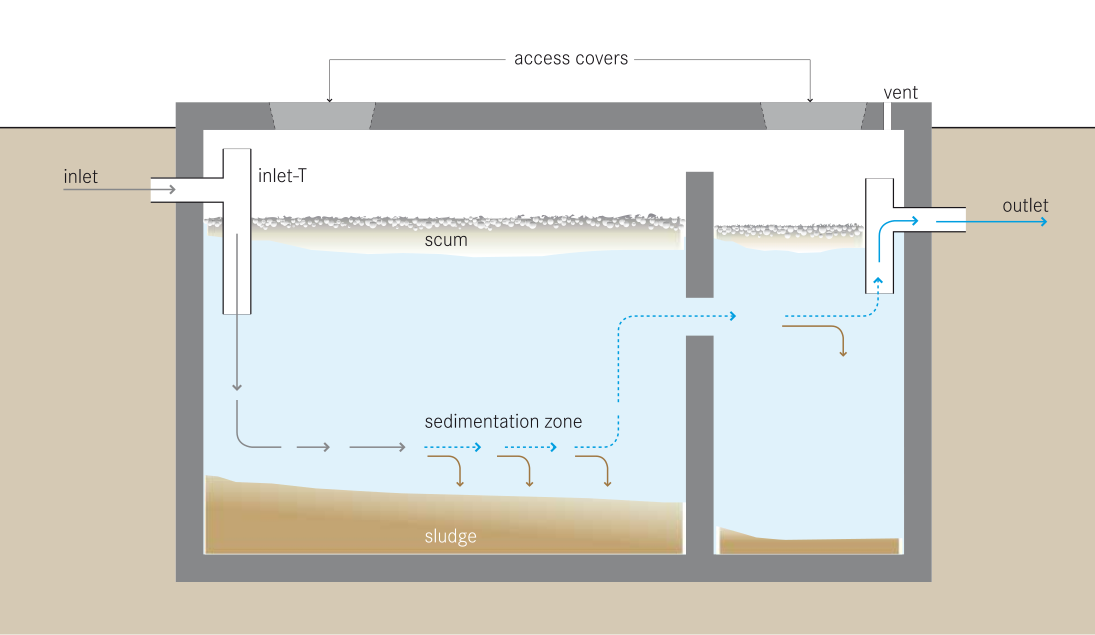
Before installing or replacing a septic system, property owners must obtain a permit from their local health department. The permitting process includes:
Only licensed septic contractors may install systems in Ohio. Systems must comply with ODH design standards, including setbacks from:
Local health districts may require:
Failure to comply can result in enforcement actions, repair orders, or system replacement mandates.

Under ORC Chapter 3718, homeowners are legally responsible for maintaining their septic systems in working condition. This includes:
The U.S. Environmental Protection Agency (EPA) estimates that properly maintained septic systems can last 20–40 years, while neglected systems may fail in under a decade. Regular pumping every 3–5 years, depending on household size and usage, significantly reduces failure risks.
Septic regulations are designed to prevent:
Studies from organizations such as the Centers for Disease Control and Prevention (CDC) confirm that failing onsite wastewater systems are linked to increased gastrointestinal illness and waterborne disease outbreaks.
In regions like Southwest Ohio, where soil conditions vary and seasonal water tables fluctuate, compliance with ORC Chapter 3718 is especially important for long-term system performance.
Local enforcement of septic regulations means homeowners must work with contractors who understand:
Working with an experienced, licensed septic provider ensures your system meets state code, local ordinances, and environmental standards—without delays or compliance issues.
Stay compliant with Ohio Revised Code Chapter 3718 and protect your septic system with help from a trusted local expert. Black Water Septic Pros provides licensed inspections, pumping, repairs, and installations for homeowners throughout Hamilton and Southwest Ohio.
Schedule Septic Service in Hamilton, OH
